
Home / My Perspective
Analysis and opinion
Breaking the Cycle of Illiteracy
I believe that addressing illiteracy in India requires us to look beyond simply increasing school enrolment. The real challenge is ensuring that children receive meaningful, consistent and relevant education, irrespective of their economic background.
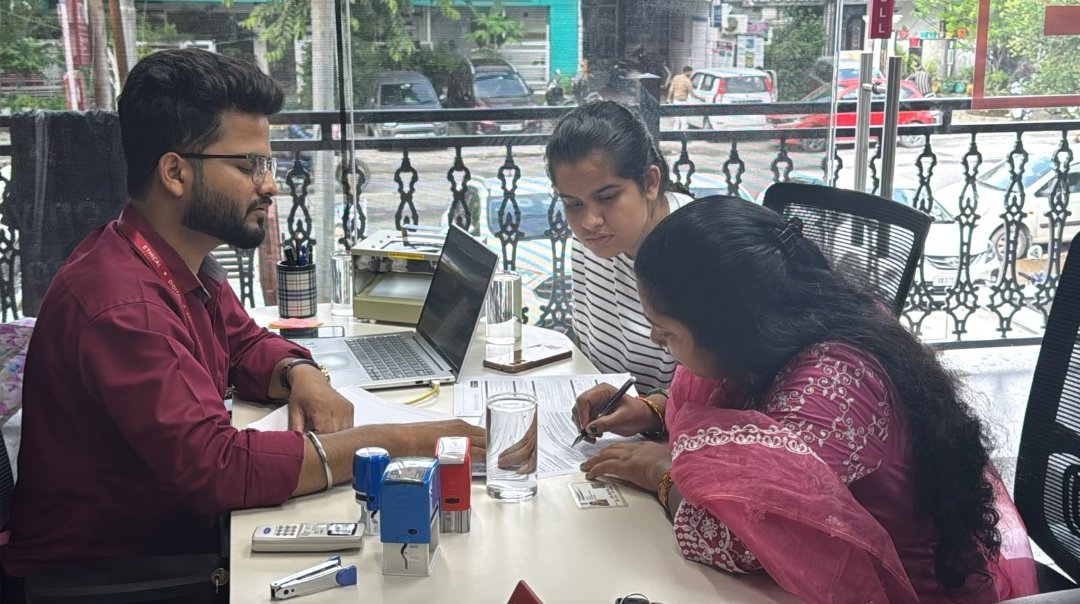
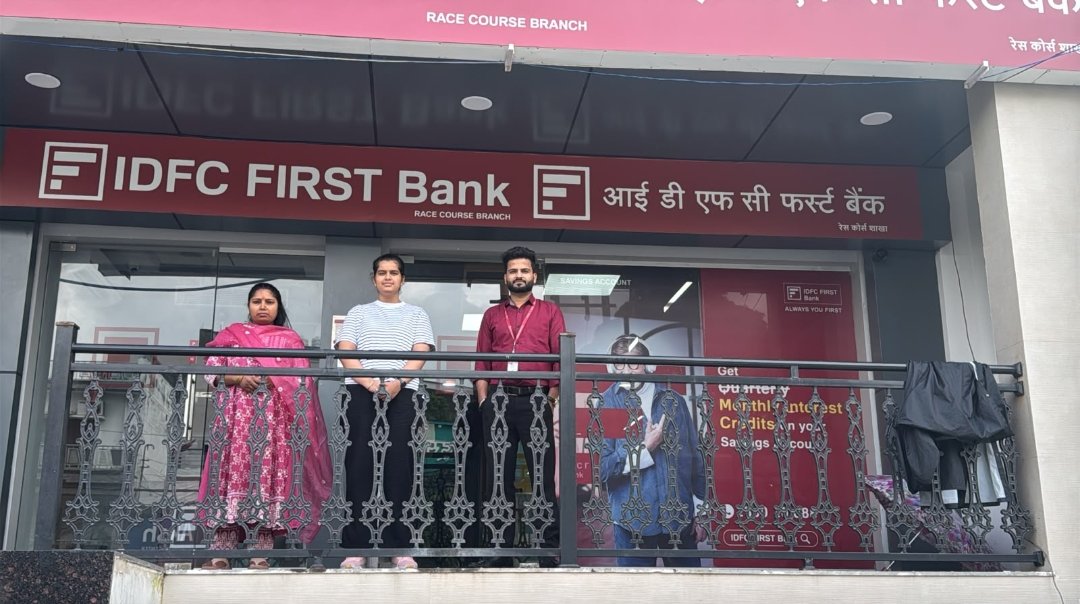
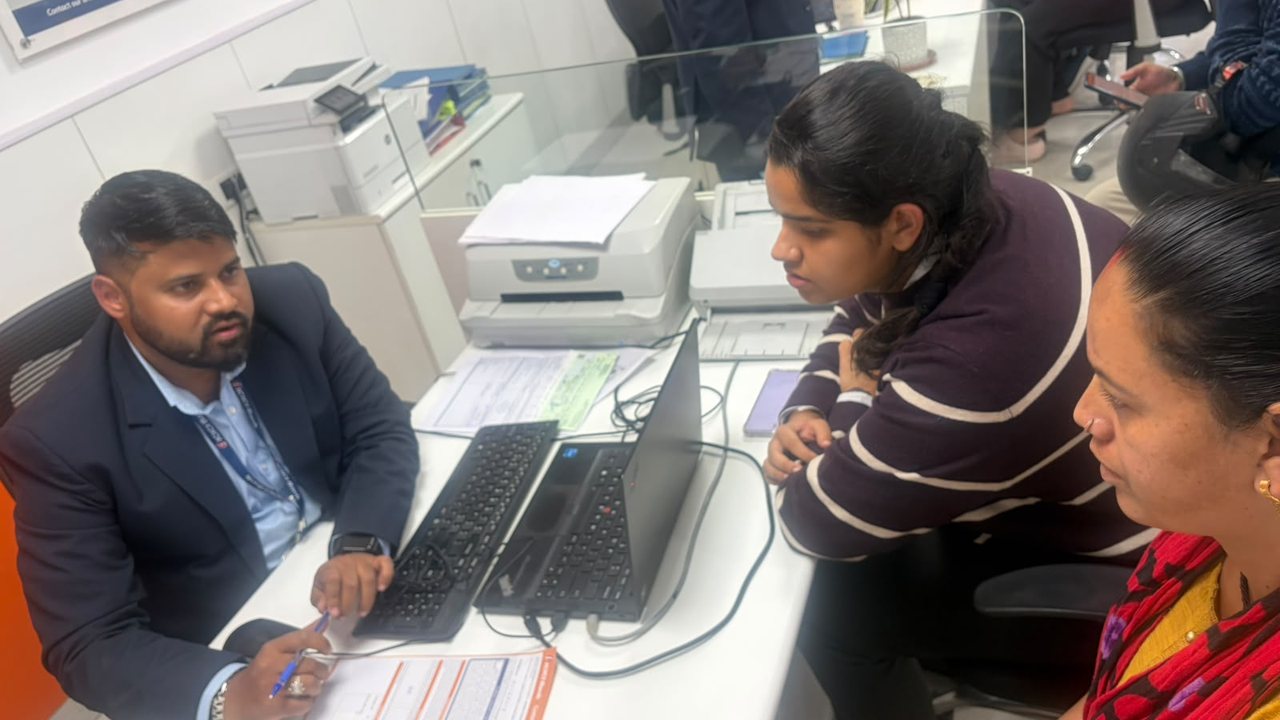
I regularly visit banks to work with individuals from underserved communities, helping bridge the gap between financial awareness and financial inclusion. Through these interactions, I seek to make financial literacy more accessible by helping individuals understand formal banking, savings and investment opportunities, including Systematic Investment Plans (SIPs). For me, this initiative goes beyond encouraging people to save; it is about helping families make informed financial decisions today that can expand opportunities for their children tomorrow. A parent’s financial awareness can influence an entire generation’s access to education, security and economic mobility. I recognise that breaking the intergenerational cycle of poverty and financial illiteracy is a long-term endeavour, but I believe that meaningful change is built through small, consistent efforts. Every family that becomes more financially aware, every informed investment decision and every step towards greater financial independence counts.
1. Make government schools institutions of accountability
Government schools must be more than buildings that children are expected to attend. Regular teaching, teacher accountability, adequate infrastructure and measurable learning outcomes must become priorities. Attendance alone cannot be treated as an indicator of educational delivery. We need to assess what students are actually learning.
2. Break the intergenerational cycle of underdevelopment
Education should be treated as a long-term investment in economic mobility. Children from disadvantaged households need access not only to schooling but also to foundational literacy, quality teaching and opportunities to develop practical skills. Improving educational outcomes can help expand employment opportunities and reduce the transmission of economic disadvantage across generations.
3. Introduce financial literacy as an essential life skill
Literacy should extend beyond reading and writing. People should understand how banks function, how savings work, what interest means and how financial products such as SIPs operate.
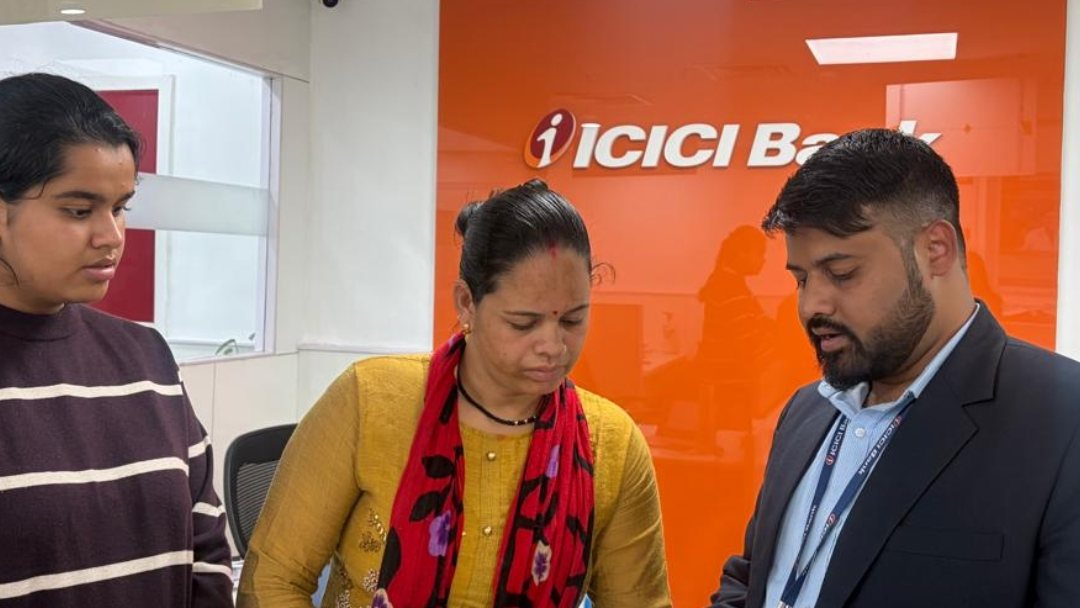
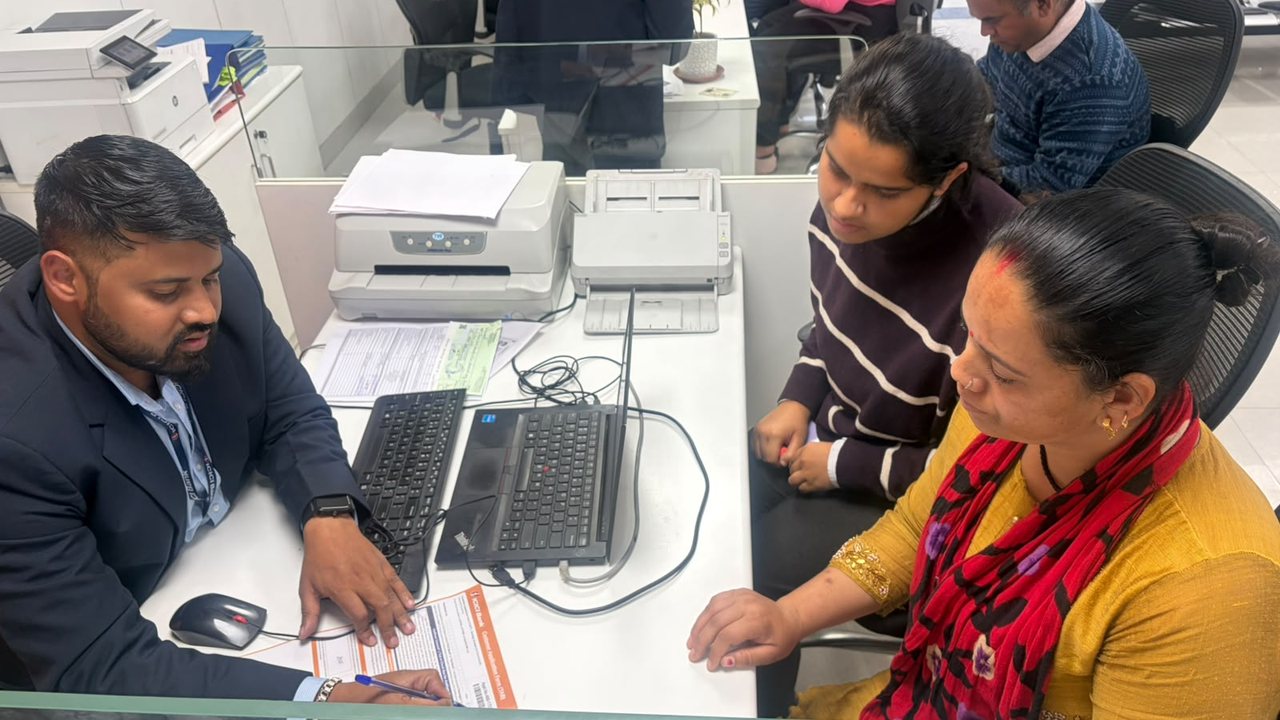
My own experience of helping a woman who works in my household understand financial concepts and access banking services made me realise how important this knowledge can be. Financial awareness should not depend on one's income, occupation or educational background. It should be accessible to everyone.
4. Make political representatives accountable for public education
I would put forward a more provocative proposition: should children of elected representatives be educated in government schools?
My reasoning is that those responsible for governing public education should have a direct stake in the institutions they oversee. If public representatives and their families depended on the same school systems as millions of ordinary citizens, would improving those institutions become a more immediate priority?
This raises legitimate questions about individual choice and the practical implementation of such a proposal. Nevertheless, it challenges us to reconsider how we make public representatives accountable for the quality of public services.
## My larger argument
India cannot eliminate illiteracy through enrolment drives alone. It requires stronger public institutions, better educational delivery, financial awareness and a political system that treats public education as a national priority.
The objective should not simply be to put every child in a classroom. It should be to ensure that every child leaves that classroom with the knowledge, confidence and opportunities to participate in India's development.
Separate articles